Starting a new fitness regime often begins with a surge of motivation, yet maintaining that momentum can be notoriously difficult. Many individuals set ambitious goals to exercise regularly, only to find their enthusiasm waning after a few weeks. The missing ingredient in these solitary efforts is frequently a robust network of peers. Understanding the role of social support in staying active reveals how interpersonal connections can transform a fleeting fitness phase into a lifelong commitment to health. When people surround themselves with like-minded individuals, they are far more likely to adhere to their physical activity targets and enjoy the process along the way.
The psychological benefits of working out together
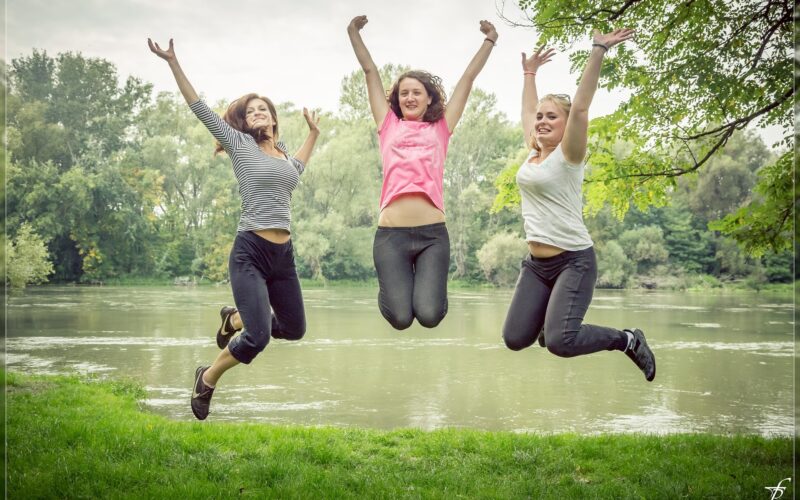
Engaging in physical activity alongside friends or family members provides a profound psychological boost that solitary exercise rarely matches. Group environments foster a sense of belonging and reduce the feelings of isolation that can sometimes accompany difficult workouts. When individuals share the physical strain of a challenging session, their brains release endorphins that promote bonding and elevate mood. This shared experience makes the exertion feel less arduous and transforms a daunting task into an enjoyable social event. Consequently, the gym or the local park becomes a place not just for burning calories, but for meaningful interaction and mutual encouragement.
Accountability is another major psychological advantage provided by a solid support system. Knowing that someone is waiting for you at the running track or fitness centre creates a powerful sense of obligation that makes it much harder to skip a session. It is remarkably easy to convince yourself to stay in bed when the only person you are letting down is yourself. However, when a workout partner is relying on your presence, that external expectation often overrides temporary lethargy. This dynamic helps to establish a consistent routine, which is the foundational element of any successful long-term fitness endeavour.
Overcoming common barriers through community
Even the most dedicated individuals face obstacles that threaten to derail their active lifestyles, such as stressful work weeks, poor weather, or minor injuries. A supportive community acts as a crucial safety net during these vulnerable periods. Friends can offer practical solutions, such as suggesting an indoor home workout when it is raining or sharing advice on recovery techniques. Beyond practical tips, verbal encouragement from peers helps to reframe setbacks as temporary hurdles rather than permanent failures. This collective resilience ensures that individuals bounce back from interruptions much faster than they would if they were navigating their fitness journey entirely alone.
Furthermore, social support introduces an element of healthy competition that can push individuals to achieve more than they thought possible. Observing a peer lift a heavier weight or run a slightly faster kilometre often inspires people to test their own limits. This competitive edge is usually friendly and constructive, driving progress without generating excessive pressure. When fitness milestones are celebrated collectively, the sense of achievement is magnified, reinforcing the desire to set and pursue even more ambitious goals. This continuous cycle of inspiration and reward is vital for preventing the dreaded plateau that causes so many people to abandon their fitness programmes.
Taking the first steps towards a shared fitness journey
Integrating social support into your physical activity routine does not necessarily require joining an expensive club or finding a highly competitive training partner. It can be as simple as scheduling a weekly brisk walk with a neighbour, participating in a local community sports group, or joining an online forum dedicated to fitness tracking. The objective is to build a network that aligns with your personal goals and lifestyle preferences. By prioritising these connections, you turn exercise from a solitary chore into a shared passion, ensuring that you remain active, healthy, and motivated for years to come.